
April 1, 2026 · 6 min read
How to Plan a Hiking Route
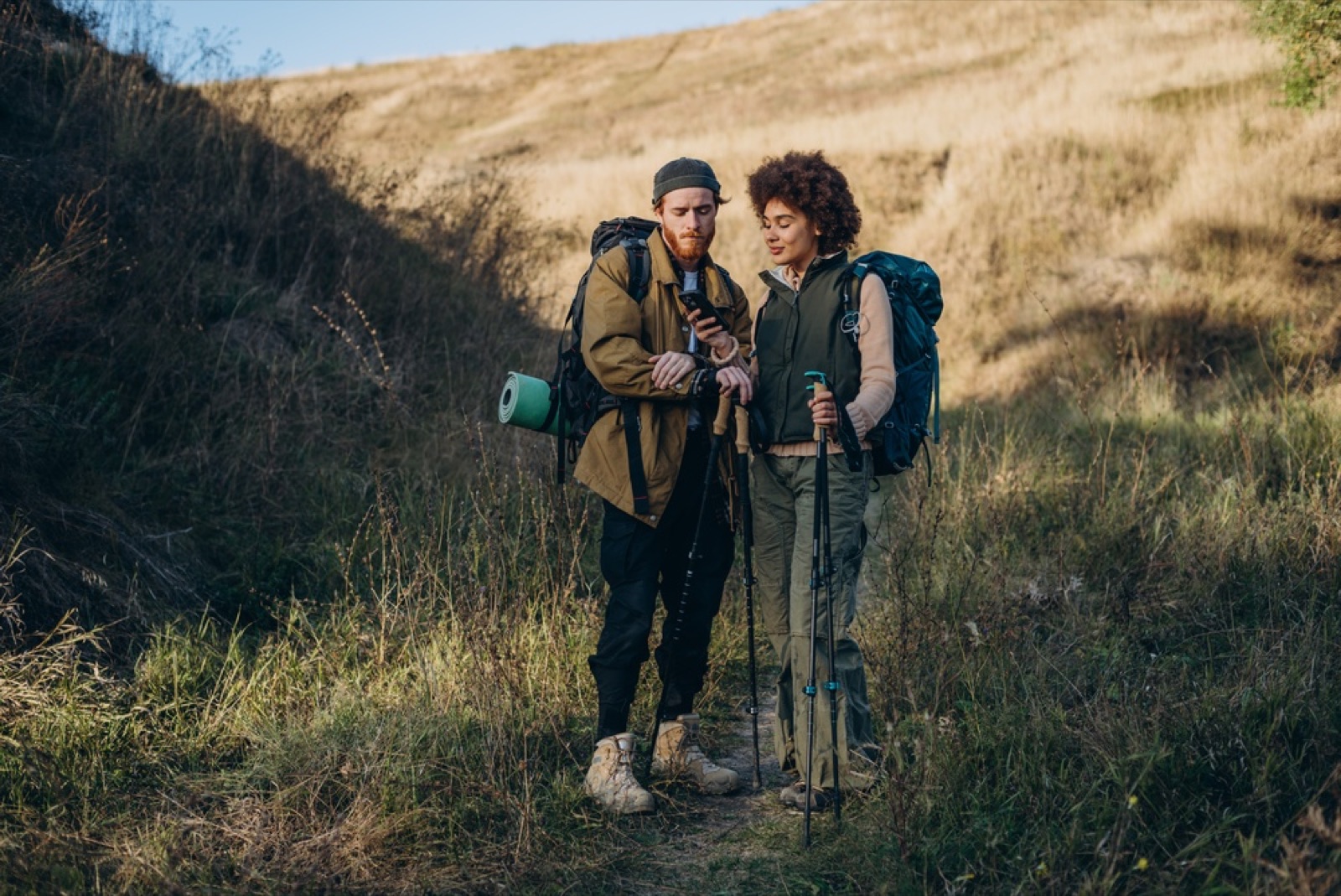
Planning a hiking route is one of the most important parts of a successful hike. A route that matches your fitness level, available time, and experience is more enjoyable and safer than choosing a trail without preparation. When planning a hike, most hikers evaluate four key factors:
- distance
- elevation gain
- difficulty
- estimated hiking time
Understanding these variables helps you choose a route that fits your goals and abilities.
Plan a hiking route by distance
Distance is usually the first factor hikers consider. Short routes are often better for:
- beginners
- families
- casual walks
- after-work hikes
Longer routes may be more rewarding but require additional preparation, fitness, and time. Before choosing a trail, ask yourself:
- How much time do I have?
- How far am I comfortable walking?
- Am I planning a day hike or a longer adventure?
Using a hiking route planner makes it easier to compare multiple routes and quickly understand their total distance.
Plan a hiking route by elevation gain
Distance alone does not determine how difficult a hike will be. A short trail with significant elevation gain can be much more demanding than a longer flat route. Elevation gain represents the total amount of climbing during a hike and is one of the strongest indicators of physical effort. When evaluating a route, consider:
- total ascent
- steep sections
- mountain terrain
- your fitness level
For beginners, routes with lower elevation gain are often more enjoyable and easier to complete.
Plan a hiking route by difficulty
Difficulty helps hikers understand whether a route matches their experience level. Difficulty is usually influenced by:
- distance
- elevation gain
- terrain
- trail conditions
- navigation complexity
A hiking route planner can help users compare trails and select routes that fit their skills. Beginners should focus on easy and moderate routes before attempting more challenging terrain.
Plan a hiking route by available time
Time is one of the most overlooked factors in hiking planning. Many hikers choose routes based on distance without considering how long the hike will actually take. Route duration depends on:
- distance
- elevation gain
- terrain
- weather conditions
- hiking pace
Before starting a hike, it is important to estimate how much time the route will require and ensure you can complete it safely.
How WANDOO helps you plan routes
WANDOO Hike Planner helps users evaluate routes before heading outdoors. With WANDOO, you can:
- explore trails on an interactive map
- compare route distance
- review elevation profiles
- understand route difficulty
- estimate hiking time
- discover nearby hiking opportunities
This allows hikers to make informed decisions and choose routes that match their preferences.
Route planning for beginners
Many beginners choose routes that are too long or too difficult. A good beginner route typically includes:
- moderate distance
- manageable elevation gain
- clear trail markings
- realistic completion time
Planning ahead helps avoid unnecessary fatigue and creates a more enjoyable first hiking experience.
Route planning for travel
When hiking in a new location, route planning becomes even more important. Before traveling, hikers often want to:
- discover local trails
- compare route options
- estimate difficulty
- understand hiking duration
A web-based hiking planner makes this process easier by allowing users to explore routes before arriving at their destination.
Frequently asked questions
How do I plan a hiking route?
The easiest way is to use a hiking route planner that allows you to compare routes by distance, elevation gain, difficulty, and estimated time.
What is the most important factor when planning a hike?
There is no single factor. Most hikers should evaluate distance, elevation, difficulty, and available time together.
How much elevation gain is suitable for beginners?
Beginners generally benefit from routes with lower elevation gain and moderate distances while building experience.
How do I estimate hiking time?
Hiking time depends on distance, climbing, terrain, weather, and pace. Route planners can help estimate duration before starting.
What is the best hiking route planner?
The best hiking route planner is one that helps you compare routes, understand difficulty, estimate time, and prepare hikes before going outdoors.